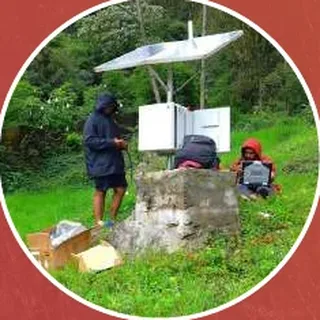
World’s first AI & IoT landslide early warning system
Operational since 2018
 FOR MOTHER EARTHAmrita landslide research
Amrita landslide research · since 2005
In 2005, landslides in Munnar took 13 lives. Amrita answered with science, and with a resolve that the science would reach the people on the slopes.
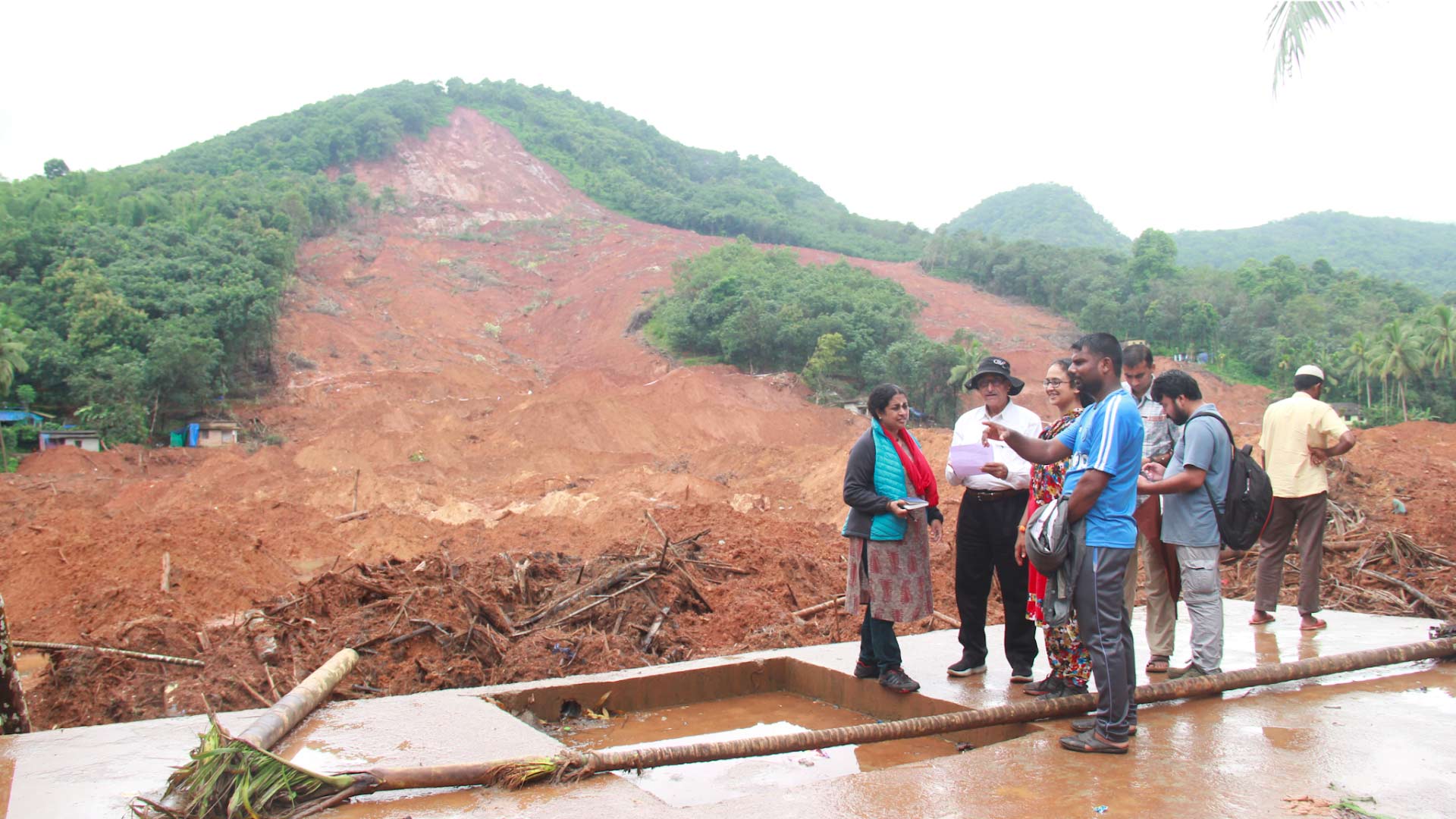
Two decades of landslide research
Sensors in the Western Ghats & Himalayas
Lives impacted in Western Ghats & Himalayan deployments
AI/ML forecast ahead of an event
Firsts
What started as a European research prototype became a public safety system that runs around the clock.
Operational since 2018
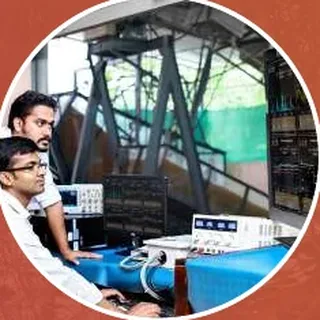
Large and small multi-trigger test beds
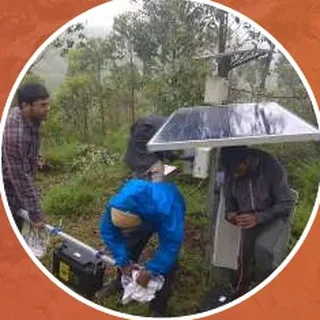
Two decades of 24/7 monitoring

“If we could transform compassion from a mere word into a path of action, we would be able to solve 90 percent of the world’s humanitarian problems.”Mata Amritanandamayi DeviChancellor, Amrita Vishwa Vidyapeetham
Amma’s vision
The project began as a European research prototype. Amma redefined its trajectory, ensuring deployment beyond the lab to actively protect vulnerable communities.
“We should take into consideration how much we have been able to use research to serve the lowest and most vulnerable strata of society. In our approach to sustainable development, we should not forget that it is by strengthening the people at the base of the pyramid that the entire edifice of society becomes healthy and strong.”
Mata Amritanandamayi Devi, Chancellor
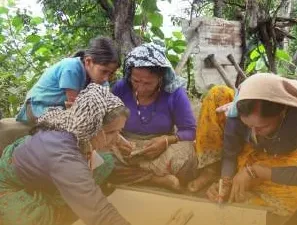
Pillar 01
Compassion-driven education that builds enduring values and inner strength of character.
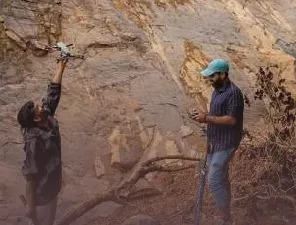
Pillar 02
Scientific excellence directed toward serving the most vulnerable strata of society.
Pillar 03
Bridging East and West through meaningful collaborations with world-class institutions.
Our story · 2006 to 2026
From the 2005 Munnar tragedy to early warnings across the Western Ghats and the Himalayas.
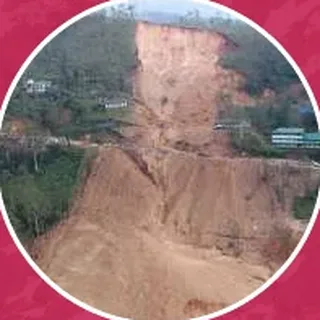
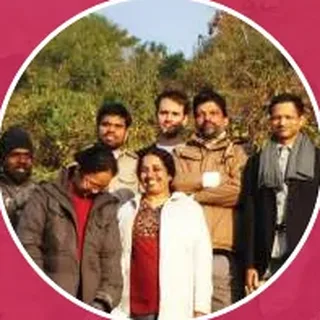
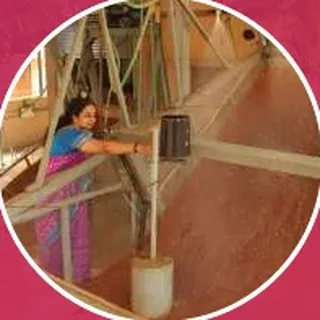
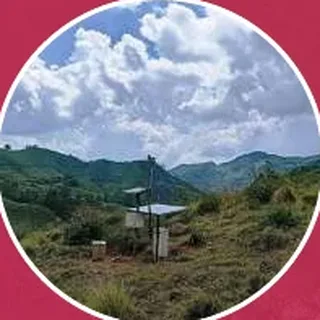


Every monsoon since 2009
Major research focus areas
Landslide early warning sits within a wider programme of multi-hazard research across land, water, coast and climate.
01
AI-IoT systems detecting and forecasting landslides 3 to 24 hours ahead.
Explore →02
Hydrological modelling, early warning and crowd-sourced flood mapping.
Explore →03
Site investigations of Sikkim, Chamoli and glacier-lake outbursts.
Explore →04
Damage-limiting buildings with replaceable energy dissipators.
05
Climate-responsive crop systems and supplemental irrigation.
Explore →06
Mangrove mapping, carbon stock and methane flux modelling.
Explore →07
GLOF, landslide, flood and cyclone signals in one decision-support framework.
Explore →08
Sentinel-based estimation of CO and CH₄ in tropical estuaries.
Explore →09
Frameworks linking science, policy and community resilience.
Explore →10
INCOIS-linked Tsunami Ready and IoT-enabled marine internet.
Explore →11
Coastal morphology, sand-mining impact and biodiversity surveys.
Explore →12
Co-designed solutions for smallholder farmers and rural India.
Explore →Explore
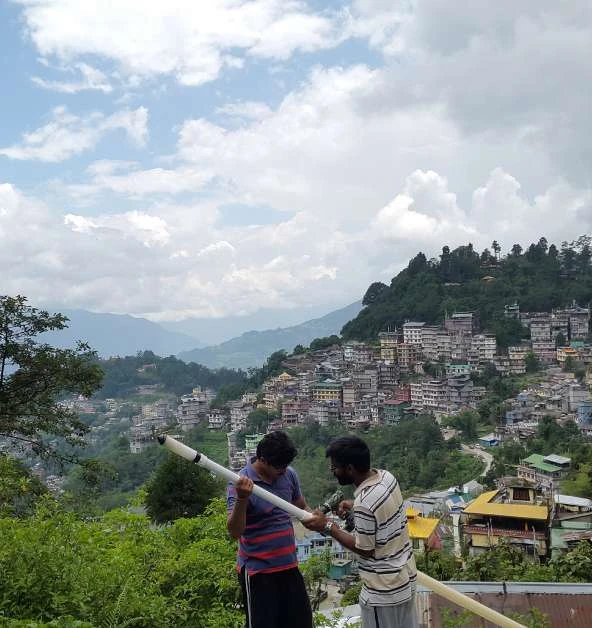
Early warning system
300+ sensors and AI models in Kerala, Sikkim, Karnataka and Odisha.
Explore →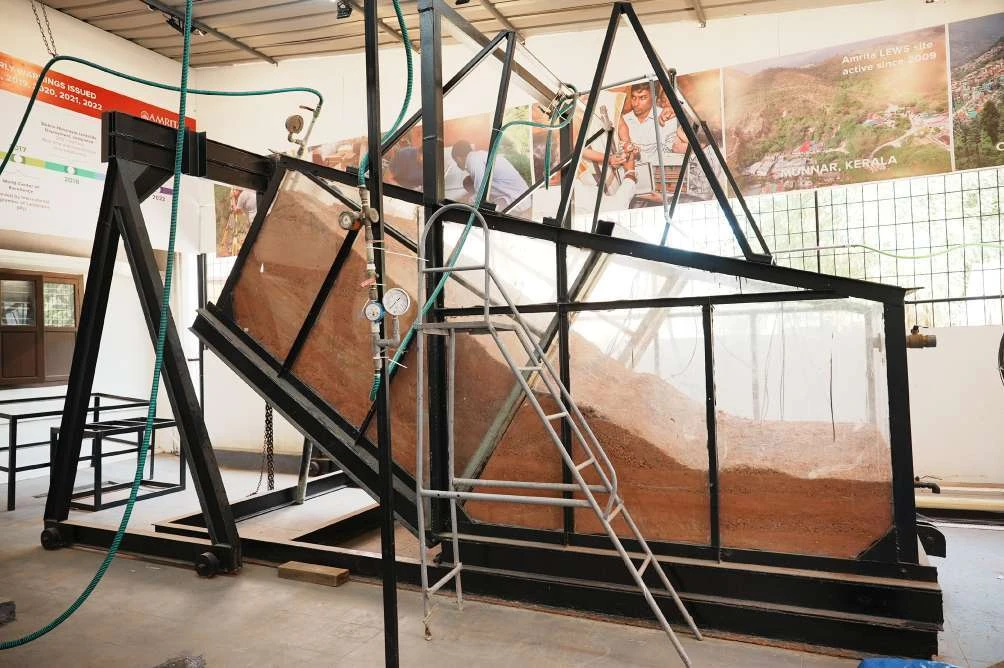
Research & labs
A test bed for 24 tonnes of soil, slopes from 0° to 45°, simulated rain and seepage.
Explore →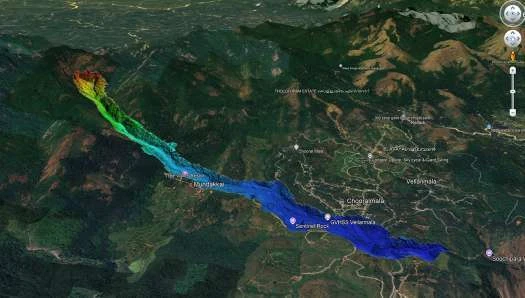
Field investigations
Wayanad 2024, the Sikkim glacial-lake outburst, Joshimath and more.
Explore →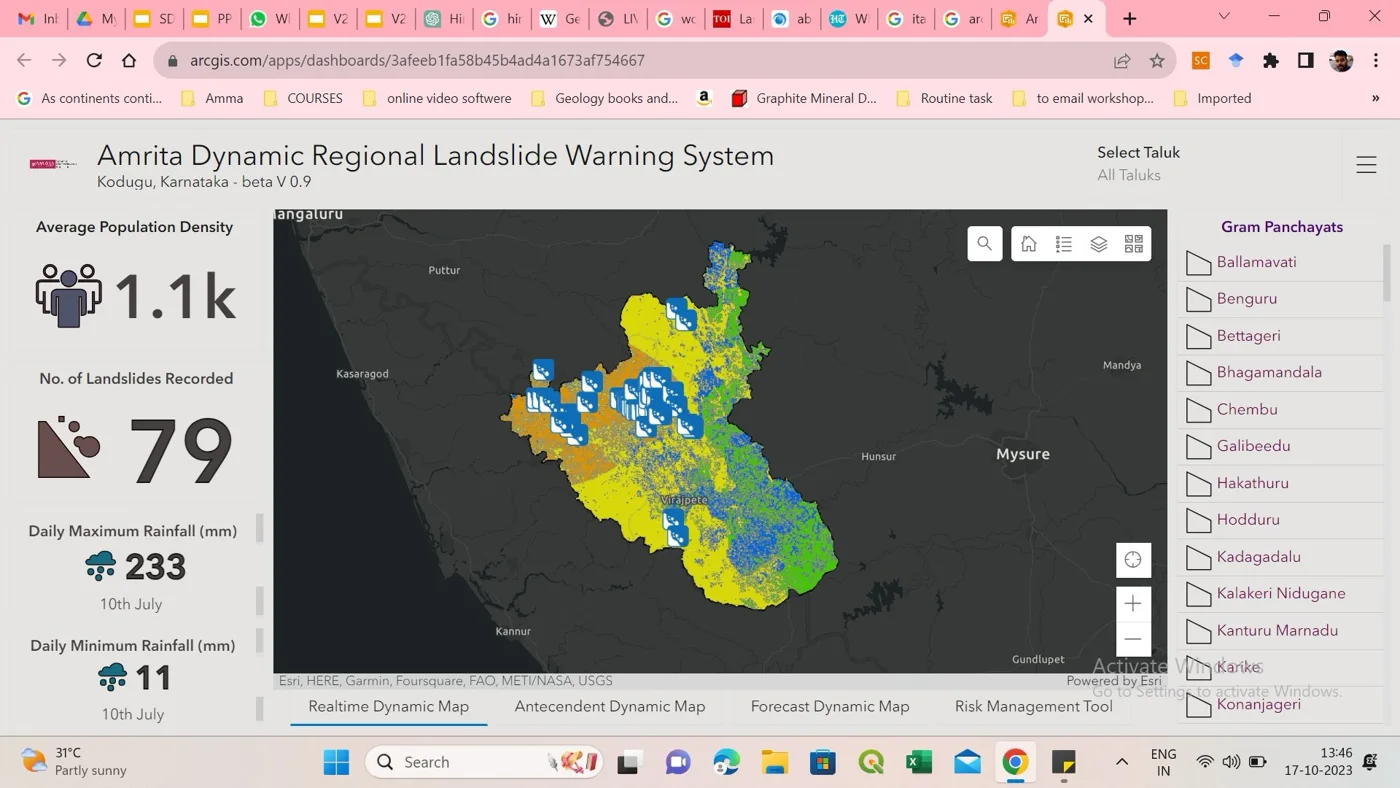
Innovations
Amrita Kavach and AmritaKripa turn sensor data into decisions.
Explore →
Achievements
World Centre of Excellence three times, IPL-KLC, ADA and NABARD awards.
Explore →
Partnerships
The EU, Ministry of Earth Sciences, LANDSLIP and 25 research partners.
Explore →7th World Landslide Forum
Amrita Vishwa Vidyapeetham’s Faridabad campus hosts WLF7, the first World Landslide Forum held in India.